Analyzing Russian Succession and Debunking Conspiracies: Security experts are digging into what a post-Putin Russia might look like, highlighting a system designed to be opaque and coup-proof. Meanwhile, recent reports have flatly debunked conspiracy theories targeting the Chabad-Lubavitch movement as a front for espionage.
Summary
Security experts are digging into what a post-Putin Russia might look like, highlighting a system designed to be opaque and coup-proof. Meanwhile, recent reports have flatly debunked conspiracy theories targeting the Chabad-Lubavitch movement as a front for espionage.
Key Stories
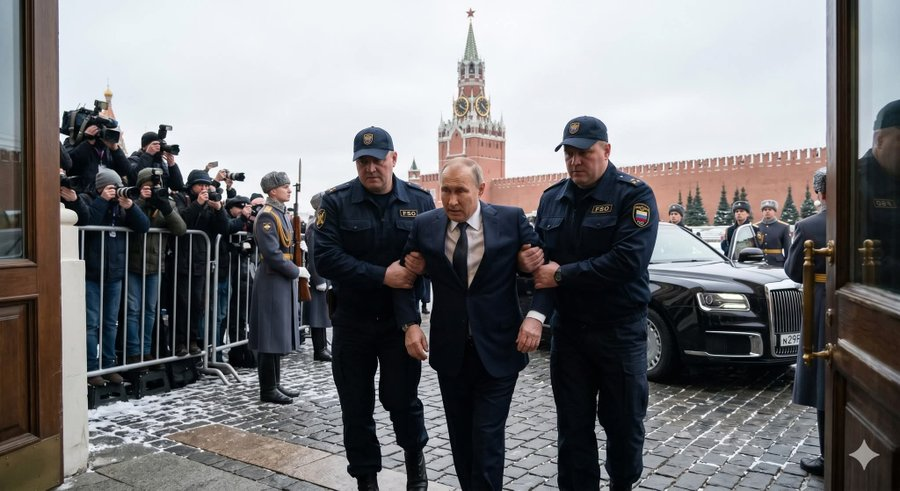
The scramble for Putin's successor — The Kremlin's system is built to prevent any clear heirs from rising, leaving power transitions to be decided behind closed doors by security elites and technocrats.
Technocrats vs. hardliners in Russia — Prime Minister Mikhail Mishustin is seen as a pragmatic choice for economic stability, while figures like Alexei Dyumin could represent hardline military continuity.
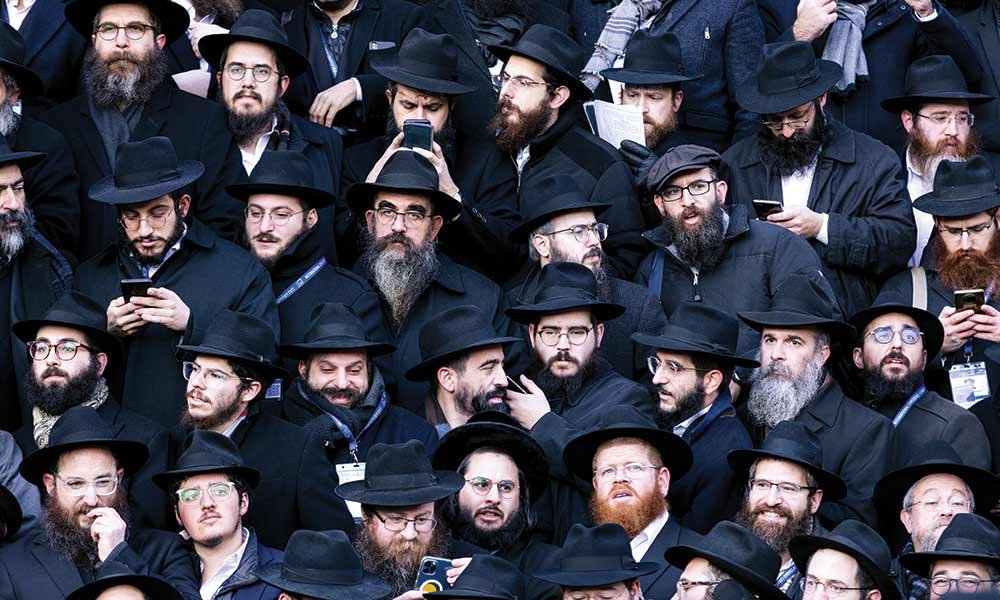
Chabad espionage claims debunked — Experts and fact-checkers have dismissed claims that the Chabad-Lubavitch movement acts as a front for money laundering, noting that such theories mirror historical anti-religious tropes.
Local scandals vs. institutional purpose — While some individual members of religious organizations have faced legal issues, there is no evidence of systemic state-sponsored crime within the broader movement.















Comments
Post a Comment