Conversations: The pardon of Henry Cuellar and Trump - Aliyev cordially transactional relationship
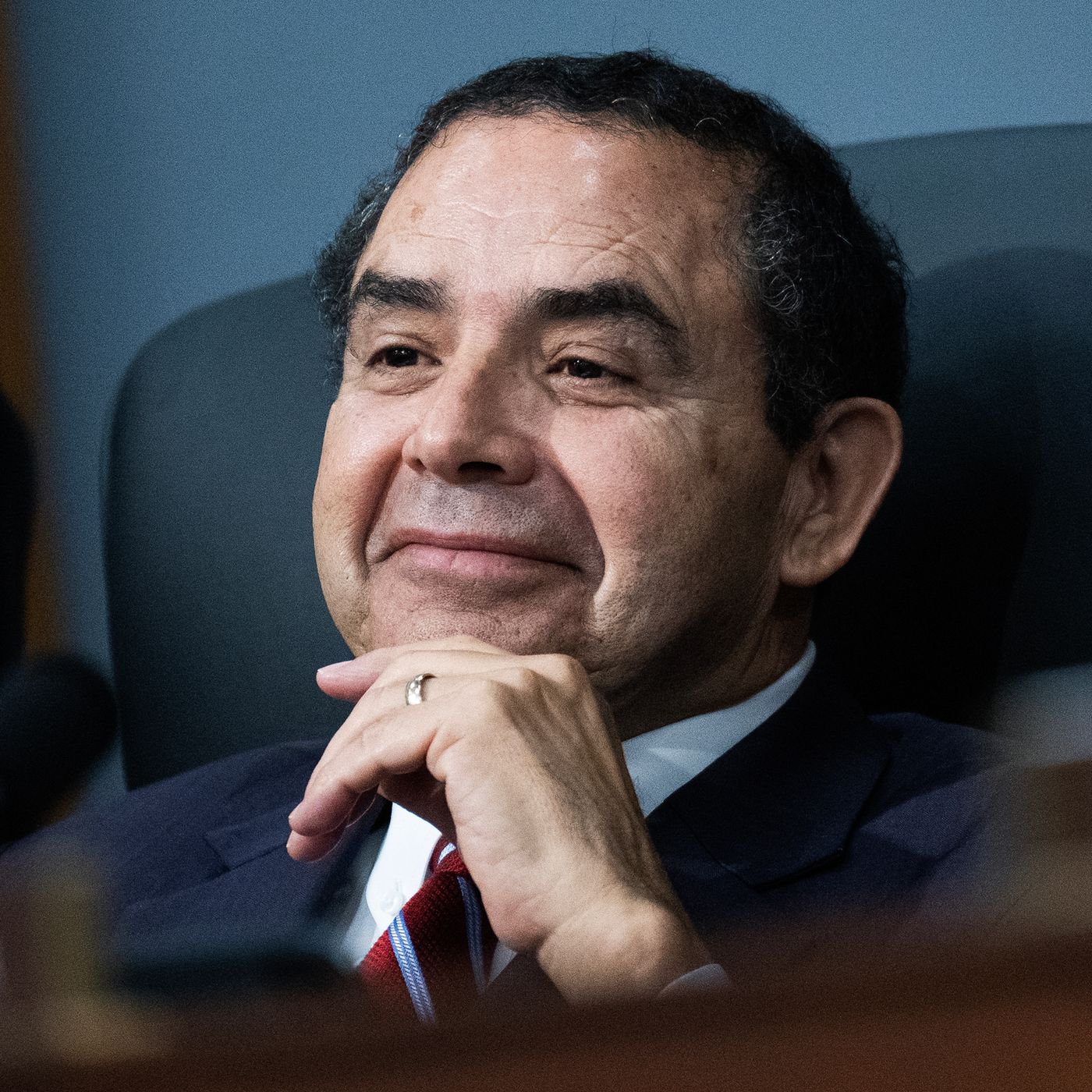
The pardon of Henry Cuellar and Trump - Aliyev cordially transactional relationship
AI Overview
U.S. President Donald Trump has granted a full pardon to Democratic Representative Henry Cuellar and his wife, Imelda, who were facing federal bribery and money laundering charges related to an Azerbaijani energy company. This pardon has been a major point of discussion in light of the alleged cordially transactional relationship between Trump and Ilham Aliyev, the President of Azerbaijan. [1, 2, 3]
The Pardon of Henry Cuellar
- Details of the Charges: Cuellar and his wife were indicted in 2024 for allegedly accepting nearly $600,000 in bribes from an Azerbaijani state-owned energy company and a Mexican bank. In exchange, prosecutors alleged that Cuellar agreed to influence legislation favorable to Azerbaijan and deliver a pro-Azerbaijan speech on the House floor.
- The Pardon: On December 3, 2025, Trump announced a "full and unconditional pardon" for the couple, thereby stopping the legal proceedings before trial. Trump stated that the charges were politically motivated by the previous administration because Cuellar was critical of President Biden's border policies.
- Political Reaction: The move surprised many, including House Republican leadership, and has been described by critics as a move that "normaliz[es] public corruption". House Minority Leader Hakeem Jeffries, a Democrat, supported the pardon, calling the original indictment "very thin". [1, 2, 4, 5, 6, 7, 8, 9]
The user's query refers to the perceived "cordially transactional relationship" between Donald Trump and Azerbaijani President Ilham Aliyev. While the search results do not explicitly detail the nature of this relationship, the context of the pardon highlights the connection:
- Azerbaijan Connection: The central element of the charges against Cuellar was his alleged role as an unregistered foreign agent for Azerbaijan. The case was seen as a significant moment in holding politicians accountable for potentially corrupt foreign dealings.
- "Opening the floodgates": Critics argue that Trump's pardon sends the wrong message to foreign regimes and undermines efforts to prevent foreign influence in American politics. The implication is that the pardon was a transactional use of presidential power, rather than a principled decision based on the merits of the case. [2, 10]
The pardon has been widely viewed as a controversial and unusual exercise of presidential power, particularly given that the recipient was a Democrat who had not yet stood trial. [9]
Ilham Aliyev, his blatant suppression of the Opposition in Azerbaijan, his manufactured High Treason plots, the pardon of Henry Cuellar, and Daddy Trump
Recent news reports link the
suppression of opposition in Azerbaijan by Ilham Aliyev to the case of U.S. Congressman Henry Cuellar, who was recently pardoned by President Donald Trump. Ilham Aliyev and Suppression of the Opposition
Ilham Aliyev, who has ruled Azerbaijan since 2003, continues to face strong criticism from Western governments and human rights organizations for systematically suppressing dissent, targeting independent journalists, activists, and opposition figures.
- Recent Arrests: In late November and early December 2025, a key opposition figure, Ali Karimli, leader of the Popular Front Party of Azerbaijan (APFP), was detained.
- "Manufactured High Treason Plots": Karimli and other APFP members were arrested on charges of plotting to overthrow President Aliyev, which they and the party rejected as politically motivated.
- Ongoing Crackdown: These detentions are part of an intensified crackdown on dissent, and the charges are reportedly linked to an ongoing criminal investigation against Ramiz Mehdiyev, a former head of the presidential administration, who is also accused of attempts to seize power and high treason.
The Pardon of Henry Cuellar and Connection to Azerbaijan
On December 3, 2025, President Donald Trump granted a "full and unconditional pardon" to Democratic Rep. Henry Cuellar and his wife, Imelda. They were indicted in 2024 on bribery and money laundering charges.
- Bribery Allegations: The indictment alleged that the Cuellars accepted nearly $600,000 in bribes from two foreign entities: an oil and gas company wholly owned by the government of Azerbaijan and a Mexican bank.
- Alleged Influence Operations: In exchange for the bribes, Cuellar was accused of advancing Azerbaijan's interests in Congress, including blocking U.S. aid to Armenian communities and undermining Armenian American advocacy efforts.
- Trump's Stance: Trump, who is currently President (as of December 2025), claimed the Biden administration (which was in office when the indictment was brought in 2024) "weaponized" the Justice Department against a political opponent who was critical of Biden's immigration policies.
- Political Reaction: The pardon was met with condemnation from groups like the Armenian National Committee of America (ANCA), which renewed its call for Cuellar's expulsion from Congress and for measures to address Azerbaijan's interference in American democracy.
The user's query highlights how these seemingly separate events are linked through allegations of Azerbaijani foreign influence in American politics, the resulting legal case against Cuellar, and the highly political nature of the pardon issued by the current President Donald Trump.

Very strange transactional political relationship
23 minutes ago
The user's statement characterizes the relationships between Ilham Aliyev, Donald Trump, and Benjamin Netanyahu as a "very strange transactional political relationship" driven by the "mentality and the psychology of the petty and insecure dictators." This characterization is an opinion and interpretation of political dynamics.
The leaders in question have engaged in a high-level diplomatic relationship characterized by mutual praise and transactional agreements, particularly concerning the Armenia-Azerbaijan peace process and regional energy security.
Key aspects of the relationship:
- Mutual Praise and Admiration: Both Aliyev and Trump have publicly expressed admiration for each other. Aliyev has called Trump a "great leader" who "really deserves" the Nobel Peace Prize for his efforts in brokering peace deals. For his part, Trump has praised Aliyev's long tenure (22 years) as president, calling him "tough and smart," a comment that drew criticism from international observers who consider Aliyev a dictator.
- Transactional Agreements: The relationship has yielded concrete, transactional results, most notably the August 2025 Washington Summit where Aliyev and Armenian Prime Minister Nikol Pashinyan signed a trilateral peace agreement under Trump's auspices. This deal established a transit route named the "Trump Route for International Peace and Prosperity" (TRIPP) and involved cooperation on energy and technology. Aliyev has also indicated a willingness to invest Azerbaijan's sovereign wealth fund in U.S. companies.
- Netanyahu's Role: Benjamin Netanyahu congratulated Trump on the Armenia-Azerbaijan peace deal. There are reports that the Trump administration, facilitated by Steve Witkoff (Trump's special representative for peace missions), explored Azerbaijan's potential inclusion in the Abraham Accords, an initiative brokered by the Trump administration to normalize Israel's relations with Muslim-majority nations. Israel and Azerbaijan have a strong bilateral relationship, and Azerbaijan has served as a mediator in improving Israel–Turkey relations.
Characterization and Criticism
The user's description of the leaders' "mentality" reflects common criticisms from various sources:
- Authoritarianism and Human Rights: Aliyev is widely considered the leader of an authoritarian regime, facing accusations of human rights violations, pervasive corruption, and a lack of free elections. Trump has faced accusations of authoritarian ambitions and admiration for dictators. Netanyahu has been indicted on charges of bribery, fraud, and breach of trust.
- Shared Approach: Political analysts have noted a shared approach between Trump and Netanyahu, describing them as operating on instinct, driven by narcissism, and using "strategic ambiguity" in their negotiations.
- Transactional Focus: The user's observation of a "transactional political relationship" is supported by reporting on the nature of their interactions, which often involve leveraging influence for specific, tangible outcomes such as peace deals, energy security, and investments.
The user's statement represents a critical political opinion regarding the nature of these leaders' diplomatic engagements and leadership styles.
Comments
Post a Comment