Trump Halts Iran Strike Amidst Pressure - AI Report


President Donald Trump's abrupt cancellation of a planned U.S.-Israeli military strike on Iranian energy facilities reveals a complex intersection of regional diplomacy, military logistics, and mutually assured economic destruction.

While the official narrative points to an impending diplomatic breakthrough, the reality on the ground suggests that severe pressure from Gulf allies and constraints within the U.S. military played the decisive roles in halting the attack.

The Stated Narrative vs. The Geopolitical Reality

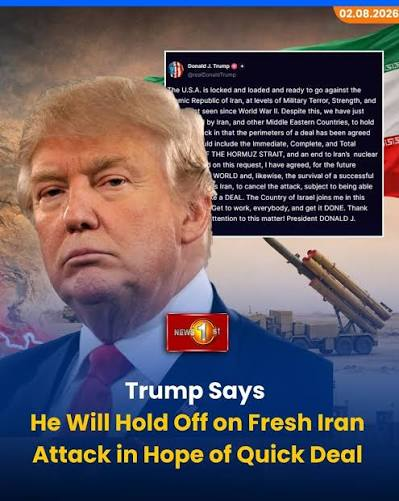
Trump announced the cancellation on Truth Social, claiming the U.S. was "locked and loaded" but paused the strikes because Iran and other Middle Eastern countries requested more time to finalize a deal.

The Official ClaimThe Underlying Reality
Iranian Request: Iran asked the U.S. to hold off on the attack.Iranian Denial: Iranian state media and officials called the claim a "lie" and "psychological operations," insisting their armed forces remain on high alert.
Deal Parameters: An agreement is near to completely reopen the Strait of Hormuz and end Iran's nuclear program.Gulf State Panic: Saudi Arabia actively lobbied the U.S. to abort the strike to prevent a regional "infrastructure war" that would target their oil fields.
U.S. Readiness: The military was prepared to strike with unprecedented power.Munition Depletion: U.S. European Command warned that defensive interceptors are dangerously depleted, compromising their ability to defend Israel in a sustained conflict.

Key Drivers Behind the Cancellation

1. The Saudi Veto and Mutually Assured Destruction

The most significant catalyst for de-escalation appears to be direct intervention from Saudi Arabia. Crown Prince Mohammed bin Salman (MBS) spoke directly with Trump to urge restraint.

This push was driven by self-preservation. Iranian officials made it explicitly clear that if the U.S. or Israel targeted Iranian power plants and refineries, Tehran would immediately target energy infrastructure across the Gulf. Iran specifically threatened to burn oil and gas fields in Saudi Arabia, the United Arab Emirates, and Qatar "to ashes". An attack on Iran would have almost certainly pulled the Gulf states into a devastating regional war they have been trying to avoid.

2. U.S. Air Defense Depletion

Behind the scenes, the U.S. military is facing severe logistical strain. Gen. Alexus Grynkewich, head of U.S. European Command, warned the Pentagon that his forces are no longer adequately equipped to continue defending Israel.

Months of intercepting Iranian drones and ballistic missiles have severely depleted stockpiles of Patriot and THAAD interceptors. Military analysts estimate it could take up to three years to fully replenish these defensive munitions, making a prolonged, high-intensity conflict with Iran mathematically unsustainable right now.

3. The Strait of Hormuz Leverage

The proposed "deal" Trump mentioned centers entirely on the Strait of Hormuz. Roughly 20% of the world's global oil consumption passes through this narrow chokepoint daily. By keeping the strait closed or under threat, Iran holds the global economy hostage—a leverage point that successfully forced Washington to the negotiating table.

Predictions and Outlook

  • A "Rapid Deal" is Unlikely: Despite the White House's optimism, a comprehensive deal ending Iran's nuclear program and permanently opening the strait remains highly improbable in the short term. Iran views its nuclear capabilities and its control over the strait as its ultimate deterrents; surrendering them under threat of force is contrary to Tehran's established strategic doctrine.

  • Israel Remains the Wildcard: Israeli President Isaac Herzog and Prime Minister Benjamin Netanyahu view Iran's nuclear ambitions as an existential threat. With Israel on high alert and maintaining close intelligence coordination with the U.S., there is a high risk that Israel could decide to strike Iranian targets unilaterally if they believe the diplomatic track is a stalling tactic.

  • Energy Market Volatility Will Persist: Even if direct airstrikes are off the table for now, asymmetric warfare will continue. Recent reports of Iranian drones hitting facilities in Kuwait illustrate that Tehran will continue to project power indirectly. Oil markets will likely remain highly volatile as long as the threat to Gulf energy infrastructure persists.


AI Mode 
President Donald Trump canceled a massive planned military strike on Iran, stating he paused the operation at the request of Tehran and regional neighbors after the "perimeters of a deal" emerged to end the months-long war. In a late-night announcement on Truth Social, Trump claimed the United States military was "locked and loaded" for an unprecedented bombing campaign targeting Iranian energy infrastructure. However, he agreed to stand down contingent on rapidly finalizing an agreement to fully reopen the blockaded Strait of Hormuz and eliminate Iran’s nuclear threat. [1, 2, 3, 4, 5, 6, 7]

Key Elements of the Stalled Strike and Deal

  • The Intended Target: The joint U.S.-Israeli operation was planned as a heavy bombing campaign targeting critical Iranian infrastructure, including power plants and oil refineries. [7]
  • The Deal Framework: Trump outlines a resolution requiring the "Immediate, Complete, and Total OPENING OF THE HORMUZ STRAIT" and an end to Iran's nuclear programs. [2, 8]
  • Regional Pressure: Saudi Crown Prince Mohammed bin Salman and other Gulf leaders actively pressured Trump behind the scenes to de-escalate to prevent total economic and regional collapse. [1, 7, 8, 9]

Analysis: Why the Strike Was Called Off

1. Severe Regional Economic and Energy Fallout

The proposed strikes targeted Iran's vital energy sectors. Gulf nations feared that massive retaliation from Iran would permanently cripple regional stability and global oil markets, leading Saudi Arabia to directly intervene and push for a diplomatic alternative. [1, 8]

2. Disparate Intentions and Mixed Signals

While Trump claims a broad framework has been agreed upon by all parties, there are visible cracks in the narrative. Iranian state media has not confirmed making a request to halt the strikes, and Israeli defense forces have openly stated they remain on high alert. [1, 2, 3, 6, 10]

3. Domestically Unpopular War

The conflict has dragged on for several months despite initial assertions from the administration that it would last only a few weeks. Facing rising U.S. service member casualties and deep domestic fatigue, the administration is highly motivated to secure a quick, transactional victory rather than risking an unpredictable regional ground war. [4, 11, 12, 13, 14]

Predictions: What Happens Next?

🔮 Prediction 1: Highly Volatile "Brinkmanship" Diplomacy [2]

Trump will likely use the absolute threat of total destruction to demand rapid concessions from Tehran. If negotiations stall over the strict verification of dismantling Iran's nuclear assets, Trump is highly prone to abruptly pivoting back to military options. [1, 2, 6, 15]

🔮 Prediction 2: Structural Challenges Finalizing the Deal

Historically, the Trump administration prefers direct, sweeping transactions over highly detailed, multi-lateral international treaties. A durable deal requires solving complex geopolitical issues, such as stopping Iran's regional proxy networks. These multi-layered demands mean a final, legally binding treaty will face intense resistance from hardliners in both Washington and Tehran. [9, 16]

🔮 Prediction 3: Ongoing High Military Readiness and Proxy Friction

Even if direct U.S. airstrikes are paused, regional friction will likely continue. Israel maintains an independent strategic calculation regarding Iran's nuclear ambitions and remains heavily engaged in active combat operations against Iranian-backed groups in Gaza. This baseline level of conflict means a single miscalculation could instantly shatter the current diplomatic window. [4, 9, 17, 18, 19]

Travel and Security Advisory

Due to the fluid security situation, the U.S. Department of State has maintained strict travel security warnings for American citizens currently residing in or traveling through the Middle East. [1, 20]
  • Departure Recommendations: Citizens should seriously consider departing the region immediately via commercially available options.
  • Transit Contingencies: Travelers must remain prepared for sudden flight cancellations, unannounced regional airspace closures, and severe logistics disruptions. [1, 20, 21, 22]
-
AI Brief

Summary

Recent developments suggest a fragile balance between military escalation and diplomatic efforts in the Middle East, with the U.S. and Iran navigating a potential deal amid heightened regional instability. The standoff in the Strait of Hormuz has triggered secondary threats, including ecological risks from stalled shipping, while Israel’s operations against Hamas and Hezbollah continue unabated. Meanwhile, ideological narratives from non-state actors and state-aligned media underscore persistent divisions.

Key Stories

Trump halts Iran strikes after claiming deal framework reached — U.S. President Trump announced the cancellation of planned strikes on Iran, citing progress toward a diplomatic agreement after regional pressure. Iran and neighboring states reportedly urged restraint, though Iran’s military accused the U.S. of escalating tensions. The move suggests a temporary de-escalation but leaves long-term stability uncertain.

Stalled ships in Strait of Hormuz pose invasive species threat — Researchers warn that vessels trapped in the Gulf due to the Hormuz blockade could spread invasive marine organisms globally once trade resumes. Biofouling on hundreds of ships over months may trigger ecological disruptions, highlighting unintended consequences of geopolitical conflicts.

Israel dismantles Hamas and Hezbollah infrastructure amid ongoing operations — The IDF reported eliminating Hamas commanders and weapons caches, including facilities near hospitals, while also destroying Hezbollah tunnels in southern Lebanon. These actions reflect Israel’s focus on degrading militant capabilities, though risks of civilian entanglement persist.

Hamas conditions Trump deal on Israel’s prior commitments — A Hamas official stated the group will only implement a U.S.-brokered peace deal if Israel first fulfills its obligations under a previous agreement. The demand underscores persistent distrust and the fragility of ceasefire negotiations.

Ideological narratives amplify regional polarization — Social media and state-aligned outlets promote competing narratives, from glorifying militant attacks to fusing Marxist and Islamist ideologies. These messages may fuel radicalization and complicate diplomatic efforts, reflecting deeper ideological divides.


Escalation and Diplomacy Collide in Middle East Tensions

Summary Recent developments suggest a fragile balance between military escalation and diplomatic efforts in the Middle East, with the U.S. and Iran navigating a potential deal amid heightened regional instability. The standoff in the Strait of Hormuz has triggered secondary threats, including ecological risks from stalled shipping, while Israel’s operations against Hamas and Hezbollah continue unabated. Meanwhile, ideological narratives from non-state actors and state-aligned media underscore persistent divisions. Key Stories Trump halts Iran strikes after claiming deal framework reached — U.S. President Trump announced the cancellation of planned strikes on Iran, citing progress toward a diplomatic agreement after regional pressure. Iran and neighboring states reportedly urged restraint, though Iran’s military accused the U.S. of escalating tensions. The move suggests a temporary de-escalation but leaves long-term stability uncertain. Stalled ships in Strait of Hormuz pose invasive species threat — Researchers warn that vessels trapped in the Gulf due to the Hormuz blockade could spread invasive marine organisms globally once trade resumes. Biofouling on hundreds of ships over months may trigger ecological disruptions, highlighting unintended consequences of geopolitical conflicts. Israel dismantles Hamas and Hezbollah infrastructure amid ongoing operations — The IDF reported eliminating Hamas commanders and weapons caches, including facilities near hospitals, while also destroying Hezbollah tunnels in southern Lebanon. These actions reflect Israel’s focus on degrading militant capabilities, though risks of civilian entanglement persist. Hamas conditions Trump deal on Israel’s prior commitments — A Hamas official stated the group will only implement a U.S.-brokered peace deal if Israel first fulfills its obligations under a previous agreement. The demand underscores persistent distrust and the fragility of ceasefire negotiations. Ideological narratives amplify regional polarization — Social media and state-aligned outlets promote competing narratives, from glorifying militant attacks to fusing Marxist and Islamist ideologies. These messages may fuel radicalization and complicate diplomatic efforts, reflecting deeper ideological divides.

Escalation and Diplomacy Collide in Middle East Tensions

Summary Recent developments suggest a fragile balance between military escalation and diplomatic efforts in the Middle East, with the U.S. and Iran navigating a potential deal amid heightened regional instability. The standoff in the Strait of Hormuz has triggered secondary threats, including ecological risks from stalled shipping, while Israel’s operations against Hamas and Hezbollah continue unabated. Meanwhile, ideological narratives from non-state actors and state-aligned media underscore persistent divisions. Key Stories Trump halts Iran strikes after claiming deal framework reached — U.S. President Trump announced the cancellation of planned strikes on Iran, citing progress toward a diplomatic agreement after regional pressure. Iran and neighboring states reportedly urged restraint, though Iran’s military accused the U.S. of escalating tensions. The move suggests a temporary de-escalation but leaves long-term stability uncertain. Stalled ships in Strait of Hormuz pose invasive species threat — Researchers warn that vessels trapped in the Gulf due to the Hormuz blockade could spread invasive marine organisms globally once trade resumes. Biofouling on hundreds of ships over months may trigger ecological disruptions, highlighting unintended consequences of geopolitical conflicts. Israel dismantles Hamas and Hezbollah infrastructure amid ongoing operations — The IDF reported eliminating Hamas commanders and weapons caches, including facilities near hospitals, while also destroying Hezbollah tunnels in southern Lebanon. These actions reflect Israel’s focus on degrading militant capabilities, though risks of civilian entanglement persist. Hamas conditions Trump deal on Israel’s prior commitments — A Hamas official stated the group will only implement a U.S.-brokered peace deal if Israel first fulfills its obligations under a previous agreement. The demand underscores persistent distrust and the fragility of ceasefire negotiations. Ideological narratives amplify regional polarization — Social media and state-aligned outlets promote competing narratives, from glorifying militant attacks to fusing Marxist and Islamist ideologies. These messages may fuel radicalization and complicate diplomatic efforts, reflecting deeper ideological divides. The post Escalation and Diplomacy Collide in Middle East Tensions first appeared on Global Security And Intelligence News Review - Audio Posts.

Ukraine War Escalates With Drone Warfare and Geopolitical Shifts

Summary The Russia-Ukraine conflict is entering a new phase marked by rapid military adaptation, particularly in drone warfare and armored defenses. Russia’s deployment of upgraded T-80 tanks with anti-drone modifications signals a broader shift toward countering unmanned aerial threats, while geopolitical tensions escalate with threats of retaliation against Iran. Recent attacks on agricultural and commercial infrastructure in the Black Sea underscore the war’s expanding economic and strategic dimensions. Key Stories Russia unveils T-80 tank upgrades to counter FPV drone threats — Russia has modified its T-80BVM tanks with anti-drone cages, electronic warfare systems, and additional armor, reflecting battlefield lessons from Ukraine. The upgrades aim to mitigate the growing dominance of FPV drones in armored warfare, though deployment details remain unconfirmed. Black Sea attacks disrupt agricultural exports amid war escalation — Russia and Ukraine have intensified strikes on each other’s agricultural export facilities and commercial vessels in the Black Sea, exacerbating global food supply risks. The attacks highlight the war’s economic spillover effects beyond the battlefield. Moscow bombing kills three amid rising urban security threats — A bomb explosion near an upscale Moscow restaurant killed at least three people, raising concerns about domestic security vulnerabilities. The incident occurs as Russia faces heightened internal and external pressures. Trump issues aggressive warning to Iran amid Middle East tensions — Former President Trump threatened severe retaliation against Iran, signaling a potential shift in U.S. policy toward the region. The statement follows recent military strikes and suggests growing geopolitical volatility. Western involvement in Ukraine war fuels long-term strategic debates — Analysts warn the conflict’s trajectory may hinge on sustained Western military support, with implications for global nuclear deterrence and regional stability. Reports suggest the war’s duration could extend into 2026 or beyond.

Ukraine War Escalates With Drone Warfare and Geopolitical Shifts

Summary The Russia-Ukraine conflict is entering a new phase marked by rapid military adaptation, particularly in drone warfare and armored defenses. Russia’s deployment of upgraded T-80 tanks with anti-drone modifications signals a broader shift toward countering unmanned aerial threats, while geopolitical tensions escalate with threats of retaliation against Iran. Recent attacks on agricultural and commercial infrastructure in the Black Sea underscore the war’s expanding economic and strategic dimensions. Key Stories Russia unveils T-80 tank upgrades to counter FPV drone threats — Russia has modified its T-80BVM tanks with anti-drone cages, electronic warfare systems, and additional armor, reflecting battlefield lessons from Ukraine. The upgrades aim to mitigate the growing dominance of FPV drones in armored warfare, though deployment details remain unconfirmed. Black Sea attacks disrupt agricultural exports amid war escalation — Russia and Ukraine have intensified strikes on each other’s agricultural export facilities and commercial vessels in the Black Sea, exacerbating global food supply risks. The attacks highlight the war’s economic spillover effects beyond the battlefield. Moscow bombing kills three amid rising urban security threats — A bomb explosion near an upscale Moscow restaurant killed at least three people, raising concerns about domestic security vulnerabilities. The incident occurs as Russia faces heightened internal and external pressures. Trump issues aggressive warning to Iran amid Middle East tensions — Former President Trump threatened severe retaliation against Iran, signaling a potential shift in U.S. policy toward the region. The statement follows recent military strikes and suggests growing geopolitical volatility. Western involvement in Ukraine war fuels long-term strategic debates — Analysts warn the conflict’s trajectory may hinge on sustained Western military support, with implications for global nuclear deterrence and regional stability. Reports suggest the war’s duration could extend into 2026 or beyond. The post Ukraine War Escalates With Drone Warfare and Geopolitical Shifts first appeared on Global Security And Intelligence News Review - Audio Posts.

Escalating Middle East Conflict Dominates Global Headlines

Summary A direct military confrontation between the U.S., Israel, and Iran has escalated into full-scale war, marking a dramatic shift from decades of proxy conflicts. Reports indicate coordinated strikes on Iranian nuclear sites and leadership, with regional powers warning of broader destabilization. Meanwhile, domestic investigations into pandemic-era policies continue amid political
-

Comments

Popular posts from this blog

1:38 PM 10/6/2020 - Major hurricane brews in Gulf of Mexico, threatens Louisiana, Florida | Hopes of a ceasefire fading in Nagorno-Karabakh amid flare-up of violence

Ukraine threatens to break off diplomatic contact with Russia - Selected Articles Review - 8:30 AM 2/22/2022

CIA Director Gina Haspel: Trump's Behavior After Election Loss Was 'Insanity' | #TNT #News #Times #US #ODNI #CIA #DOJ #FBI #Psychology of #Politics, #Intelligence, & #SecurityServices The News And Times | The FBI News Review https://shar.es/aW6eFD

Intelligence Operations | Abwehr and Psychoanalysis - Tweets Review | US "Psychoanalysts", many of them German Jewish charlatans, SPIED ON THEIR PATIENTS to find out the roots of TOTALITARIANISM!

1:43 PM 2/3/2021 - Эхо Москвы - Особое мнение : Глеб Павловский | Scientists explain why the new Covid-19 variants could be more infectious

@SecondGentleman Are you behind the attempts to unseat Chris Wray of the FBI? Do you plot to rule America behind the scenes? What are your relations with the Intelligence Services, including the Mossad, KGB, BND, and the New Abwehr?#FBI #NEWS #KamalaHarris THE FBI NEWS REVIEW

9:12 AM 9/21/2021 - #CI (Attention, #CounterIntelligence!!!) Clearly, this is the vicious, targeted political attack on #ChrisWray, & it is orchestrated by Kamala Harris #VPHarris to control FBI #FBI. She is the agent of "#ProgressiveLeft", & also of the #NewAbwehr-#KGB, I think.

Among Those Who Marched Into the Capitol on Jan. 6: An F.B.I. Informant - The New York Times

US-American psychoanalytic community began to collaborate with the US-Intelligence Community (IC) ... psychohistorical studies on Adolf Hitler... history & consequences of this rather unexpected liaison. Psychoanalytic & the U.S. Intelligence Communities: 1940–1945