Pushkin (1799–1837), the founder of modern Russian literature, was not gay, but he was "gay-friendly" and famously included light, humorous, or Orientalist references to homosexuality in his poetry
- Get link
- X
- Other Apps
Articles and Tweets
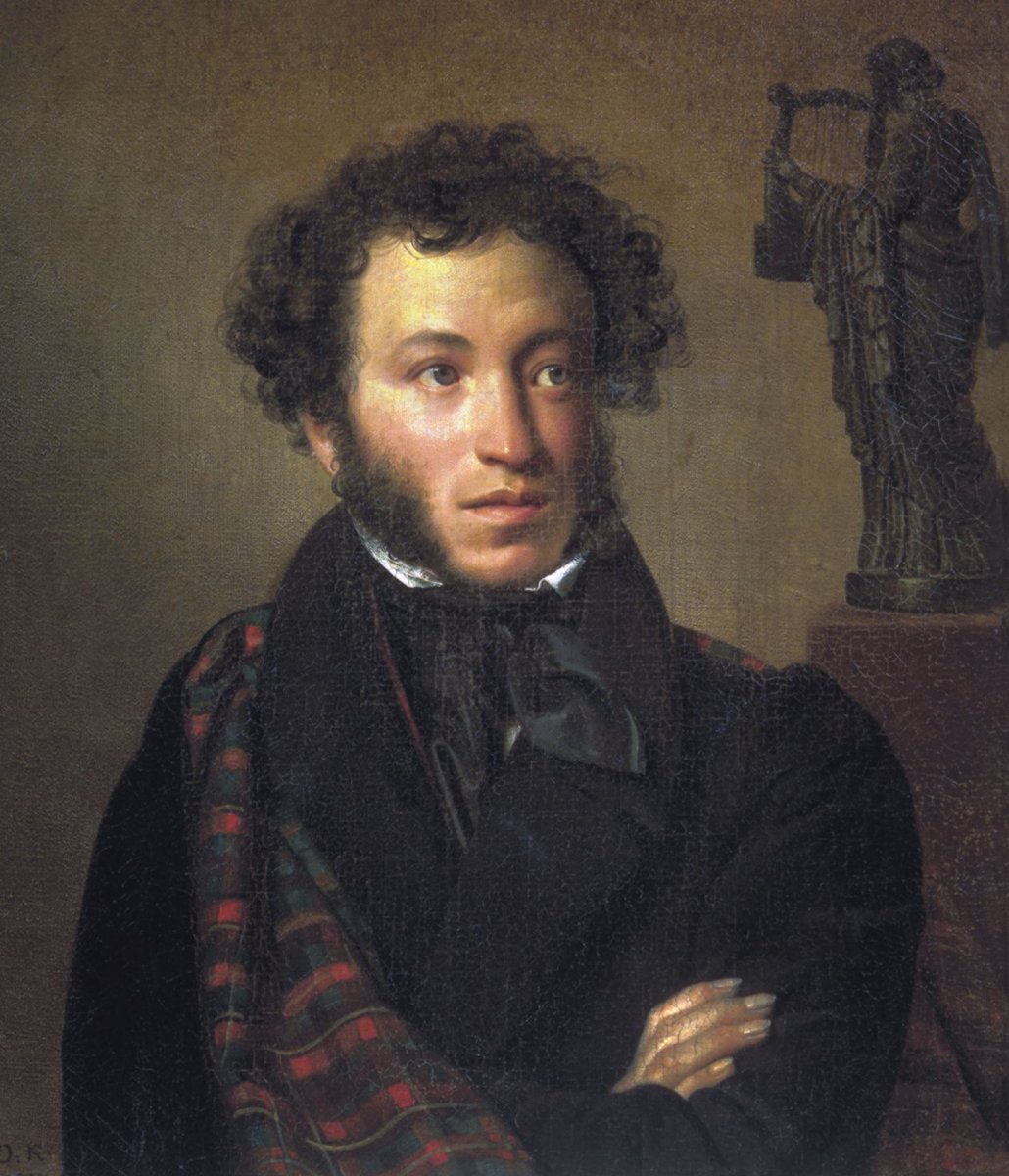
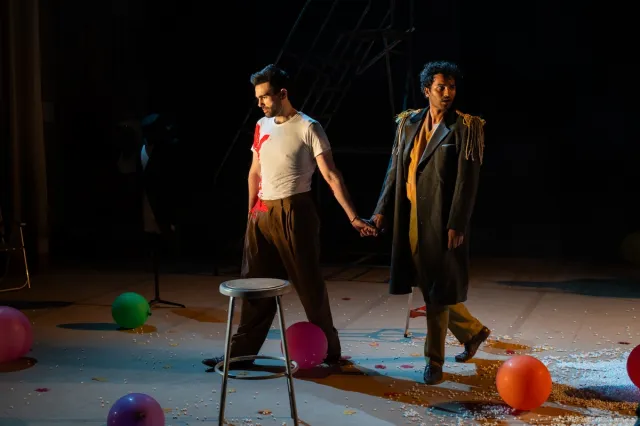
![Onegin and Lensky as gay lovers Reimagining Eugene Onegin and Vladimir Lensky from Alexander Pushkin’s novel and Tchaikovsky’s opera as gay lovers is a modern, often critically acclaimed interpretative approach, particularly in opera, that explores the latent tension and profound emotional connection between the two men. This queer reading often views Onegin’s jealousy, social alienation, and the eventual duel not as a dispute over a woman (Olga), but as a result of repressed desire and societal pressure. [1, 2, 3, 4, 5] The Queer Interpretation in Productions "Brokeback Onegin" (Munich, 2012/2015): Director Krzysztof Warlikowski's production at](https://pbs.twimg.com/media/HFyp8MQXkAEpdUH.png)


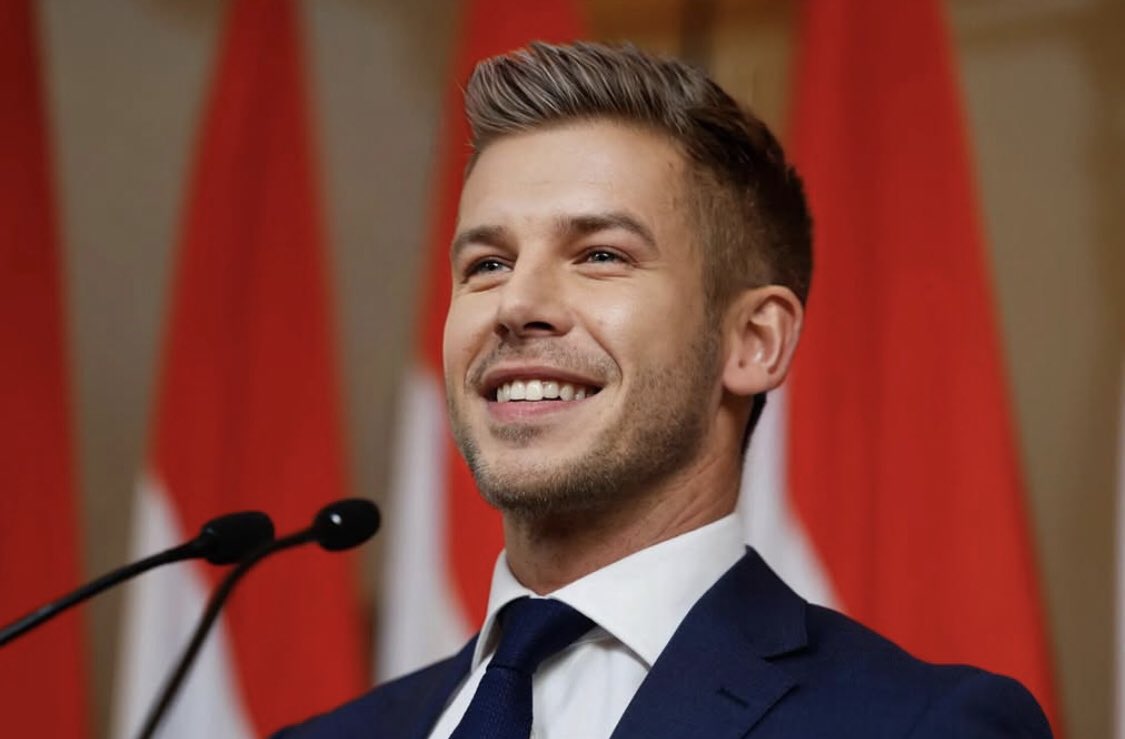
![#BND #GermanIntel The BND's "Big Bang" reform German security chiefs, led by intelligence coordinator Philipp Wolff, are currently conducting a high-level consultation tour across Europe to gather best practices for a comprehensive overhaul of Germany's security architecture. This "Big Bang" reform, initiated under the government of Chancellor Friedrich Merz, aims to transition the country's intelligence services from a reactive, "civilian" stance to a more proactive and operational "military-grade" capability. [1, 2, 3, 4, 5] Key Reform Initiatives Restructuring the BND (Federal Intelligence Service):Operational Shift: BND President Martin Jäger](https://pbs.twimg.com/card_img/2042602432450985984/vX4wCfWR?format=png&name=280x280_2)
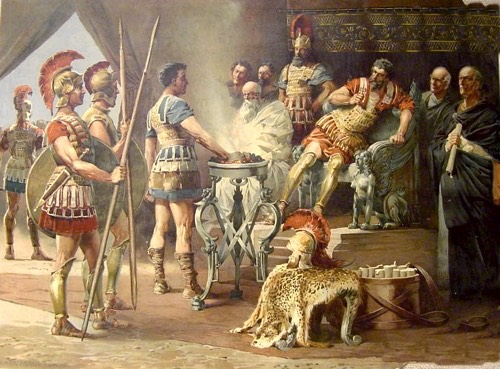
![THE WAGNER GROUP The Wagner Group evolved from a shadowy proxy force into a global paramilitary empire before its rapid dismantling following a failed mutiny against the Russian state in 2023. [1, 2] The Rise: From Shadows to State Asset (2014–2022) Initially founded in 2014 by Yevgeny Prigozhin and Dmitry Utkin, Wagner was designed to provide the Kremlin with "plausible deniability" for covert operations. [3, 4] Early Operations: The group first emerged during the annexation of Crimea and conflict in eastern Ukraine. Global Expansion: Wagner expanded into Syria (2015) and Africa (Libya, Central African Republic, and Mali), securing access to nat](https://pbs.twimg.com/media/HFyDirxXIAARi30.png)






- Get link
- X
- Other Apps
Comments
Post a Comment